
چرا کلاسهای پیشدبستانی هنوز سرشار از اسباببازیها و فعالیتهای ساده و کلاسیکی هستند که ما در کودکی با آنها بازی میکردیم؟ پاسخ ساده است: اگرچه زمانه تغییر کرده، اما ساختار رشد مغز تغییر نکرده است! در واقع، کودکان زمانی بهترین یادگیری را دارند که از طریق بازی، آرامش، اشتیاق و سرگرمی را تجربه کنند!
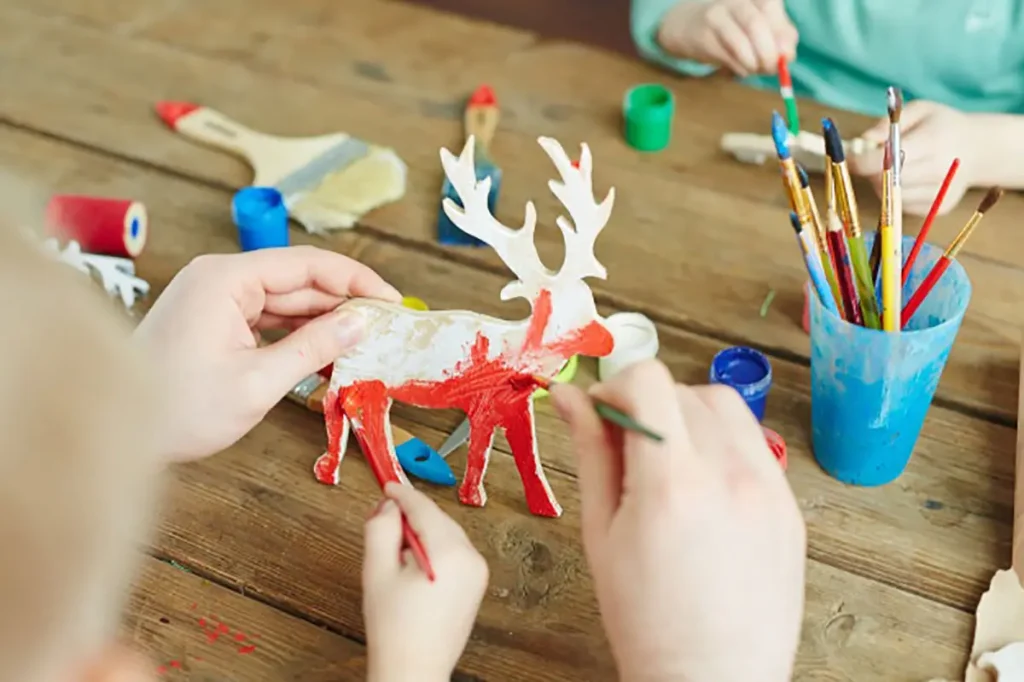
بلوکهای ساختنی، خمیر بازی و کاردستی به کودکان امکان میدهند کارهایی بسیار فراتر از روی هم چیدن، ورز دادن و گسترش تخیل خود انجام دهند! این فعالیتها مهارتهای حرکتی ظریف و هماهنگی چشم و دست را تقویت کرده، پایهای محکم برای مفاهیم اولیه ریاضی میسازند و عملکردهای اجرایی مغز مانند حافظه و تمرکز را پرورش میدهند.
بازیهای فکری و کارتی نمونههای فوقالعادهای از بازیهای مشارکتی هستند که به کودکان کمک میکنند نوبت گرفتن، اشتراکگذاری و همکاری با دیگران را تمرین کنند؛ مواردی که همگی نقشی کلیدی در رشد اجتماعی و عاطفی دارند. همچنین این بازیها به تقویت حافظه فعال، مفاهیم ریاضی و مهارتهای حرکتی ظریف در کودکان کمک میکنند.
حروف و صداها
It's always better to start them on easier books, because then they feel successful, and that spurs them on, so they'll read more.
John Doe Tweet
They will also write short, simple sentences such as “The cat ran home.” Keep a special box or bin at home filled with writing materials (crayons, pencils, markers, paper, and notepads) so your child can practice writing simple sentences about special things he’s done or seen during the day. Ask about what he’s written, and have him read it aloud. Offer encouragement by displaying his writings on the refrigerator or on her bedroom wall.
Numbers and Counting
Get your kindergartner to look for the numbers one through 30 in magazines and newspapers. He can cut them out, glue them on paper, and put them in order. When you’re riding in the car or waiting in line, play a game of “What comes next?” Give your child a number and ask him to identify the following number. At bedtime, ask him to count how many stuffed animals he has, and ask, “How many books about dogs do you have? How fast can you count them?” Take two of these books away and ask, “How many are left?”
- Kids this age will learn to recognize, write, order, and count objects up to the number 30.
- They will be able to add and subtract small numbers (add with a sum of 10 or less and subtract from 10 or less); this focus on addition and subtraction will continue through second grade.
- Kids will learn how to name and describe common shapes (circle, square, triangle, rectangle) and to identify, sort, and classify objects by color, size, and shape.
Help your child understand the concept of time by saying what time it is during routine activities. Use and explain words like morning, noon, night, yesterday, today, and tomorrow. Make a timeline together showing a typical day, with drawings of regular events and the time of day written beneath each one.